 SimRacingPicks
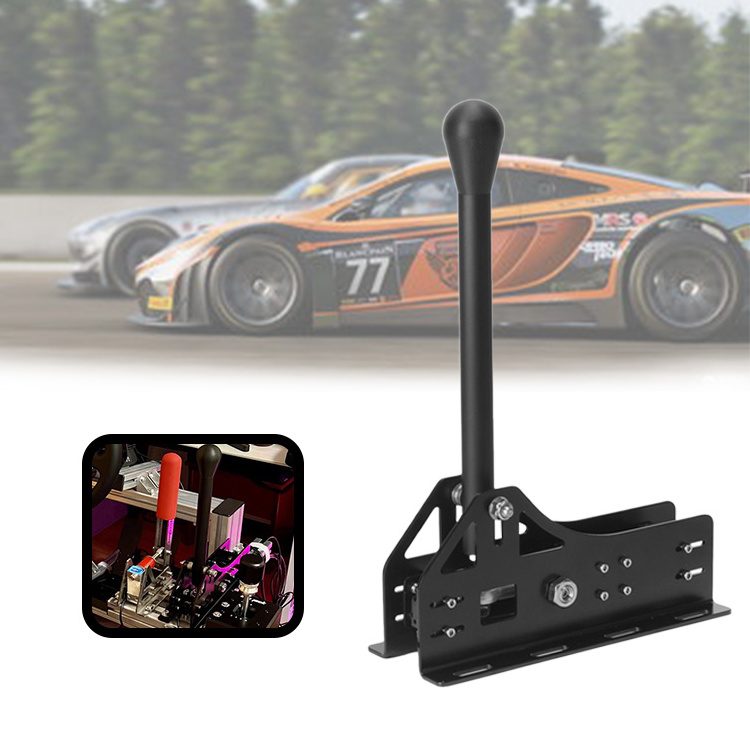
Cammus C12 Sequential Shifter Review — A highly refined, detail-oriented ecosystem dominates the mid-tier market but requires careful component selection to match your specific racing style
TL;DR
The Moza lineup excels with highly tunable software, realistic tactile feedback, and a massive range of accessories. However, drifters might prefer the raw, smooth power of competitors like Cammus, and desk users will be limited to entry-level bundles.
Verdict: Depends on Use Case
What people are saying
Sources disclosed below
Reviewer Verdicts
Avg of 3 video reviews
OC Racing, SimRacer Pro, EvlRabbit
Reddit Discussion
Across 8 threads in r/simracing, r/iRacing, r/simracingrigs, r/AssettoCorsa, r/granturismo, r/F1Game
Sentiment summary, not a rating
Pros
- +Exceptional build quality and premium materials across the ecosystem
- +Highly realistic and detailed tactile feedback, whether in shifting feel or force feedback
- +Excellent value for money in the entry-to-mid-range market
- +Robust and highly tunable software ecosystem
Cons
- −Desk mounting is highly discouraged for mid-tier and higher products due to strong forces
- −Lacks the raw brute force of some heavier, similarly priced competitors
- −Certain products lack versatile features, such as the HGP shifter missing a sequential mode
Jordan Kim
Published May 3, 2026
Price may vary. Updated regularly.
Moza’s sim racing gear delivers incredible detail, but if you’re chasing the raw, unadulterated violence required for high-angle drifting, you might find their mid-tier offerings a bit too polite. It’s easy to get swept up in the marketing of a massive ecosystem, but the reality of your lap times—and your bank account—depends on whether you value surgical precision or sheer, unfiltered torque.
What you're actually getting
When you dive into the Moza ecosystem, you aren't just buying a wheel base or a shifter; you’re buying into a software-first philosophy. The build quality across their current lineup is genuinely impressive, feeling more like a piece of high-end consumer electronics than a toy. As OC Racing put it, "I can say with confidence that this right here... is the best entry to mid-range sim racing shifter in the market today." That sentiment holds true for much of their hardware, which feels cohesive and polished in a way that many competitors still struggle to replicate.
However, the "Moza experience" is a double-edged sword. Because they offer such a sprawling array of bases, wheels, and accessories, it’s remarkably easy to get lost in the weeds. As SimRacer Pro noted, "Between all the bases, wheels, and crazy accessories, it's easy to get lost." If you aren't careful, you’ll end up with a mismatched setup that doesn't play to your strengths. You’re paying for a refined, feature-rich environment, but that refinement comes at the cost of the raw, brute-force character that some other manufacturers prioritize.
If you’re a track racer who values the ability to feel every subtle change in tire grip and road texture, Moza is currently the gold standard for the price. But if you’re looking for a base that can handle the aggressive, high-speed flicking required for drifting, you might find the Moza feedback loop a bit too "processed." It’s a sophisticated tool, not a blunt instrument.
Sound and Feel — what reviewers actually heard
The performance gap between these systems often comes down to how they handle torque and tactile feedback.
| Metric | Moza R9 | Cammus 15DD |
|---|---|---|
| Peak Torque | 9 Nm | 15 Nm |
| Best For | Precision/Racing | Drifting/Raw Power |
| Price Point | Mid-tier | Mid-tier |
- Moza R9 (9 Nm): Delivers high-fidelity, nuanced feedback. It’s perfect for road racing where you need to catch a slide before it happens.
- Cammus 15DD (15 Nm): Prioritizes raw power and smooth rotation. It’s a beast for drifting, though as EvlRabbit noted, "I felt the fine minute force feedback things were a little lacking when it came to the feedback with the Cammus."
- Moza HGP Shifter: A $150 unit that provides a crisp, mechanical engagement, though it lacks a dedicated sequential mode, which is a frustrating oversight for rally enthusiasts.
Where it actually wins
The primary victory for the Moza ecosystem is its software-to-hardware integration. You can tweak your force feedback curves, adjust your wheel rotation, and map your buttons with a level of ease that makes other brands feel like they’re still stuck in the early 2000s. The tactile feedback is genuinely "high-def"—you’ll feel the difference between a curb and a patch of grass with startling clarity.
Furthermore, the build quality is consistent. Whether you’re buying their entry-level R5 bundle or stepping up to the R9, the materials feel premium. There’s no creaky plastic or loose tolerances here. If you’re building a rig that you want to look as good as it performs, Moza is the clear winner for the mid-tier market.
Where it falls short
The biggest issue is the "desk trap." If you’re planning to clamp an R9 or higher to your office desk, stop. These bases produce enough torque to turn your desk into a vibrating mess, and you’ll quickly find that the hardware is wasted without a dedicated, rigid aluminum profile rig.
Additionally, Moza’s product segmentation can be baffling. The HGP shifter is a prime example: it’s built like a tank, but the lack of a sequential mode forces you to buy a separate piece of gear if you want to drive anything other than an H-pattern car. It’s a premium product with a weirdly specific limitation that feels like a missed opportunity for a company that otherwise prides itself on versatility.
Should you buy it?
Buy if you
- Value software tunability and a polished, "plug-and-play" ecosystem.
- Primarily race on road circuits where subtle force feedback detail is more important than raw torque.
- Have a dedicated sim rig ready to handle the forces of a mid-tier direct drive base.
Skip if you
- Are a hardcore drifter who needs the 15Nm+ of raw, heavy-duty torque to whip the wheel around.
- Only have a desk setup and aren't willing to invest in a proper rig.
- Need a single, versatile shifter that can handle both H-pattern and sequential shifting without buying extra hardware.
Moza’s ecosystem delivers unbeatable fine details and premium build quality, but your specific purchase depends heavily on your racing style and rig setup.
Sources consulted
- OC Racing — I Used EVERY Sim Racing Shifter, THIS Is the BEST.
- SimRacer Pro — ❌ Don't Buy ANYTHING from MOZA Until You Watch This! (Ultimate Setup Guide)
- EvlRabbit — MOZA R9 vs CAMMUS 15DD Review - FFB Comparison , Impression, what is better? ( Racing / Drifting )
Synthesis combines independent reviews above. Verdicts and quotes attributed to original creators. Affiliate disclosure: we may earn a commission from qualifying purchases via Amazon links.
Products covered in this review
Frequently Asked Questions
Is the Cammus C12 Sequential Shifter worth buying?
The Moza lineup excels with highly tunable software, realistic tactile feedback, and a massive range of accessories. However, drifters might prefer the raw, smooth power of competitors like Cammus, and desk users will be limited to entry-level bundles.
Who is the Cammus C12 Sequential Shifter best for?
Sim racers wanting a highly tunable, detail-oriented ecosystem with premium build quality at a mid-tier price.
Who should skip it?
Hardcore drifters needing massive raw torque, or casual desk users unwilling to invest in a solid sim rig for higher-end gear.